
Wisdom Teeth Extraction
Wisdom teeth, also known as third molars, are the last teeth to erupt—usually between the ages of 17 and 25. While some wisdom teeth grow without causing problems, many do not have enough space to erupt properly. When this happens, they can lead to pain, infection, swelling, and damage to nearby teeth. At Dr. Shivani’s Dental & Aesthetic, we provide safe, precise, and comfortable wisdom teeth extraction to relieve pain and protect your oral health.
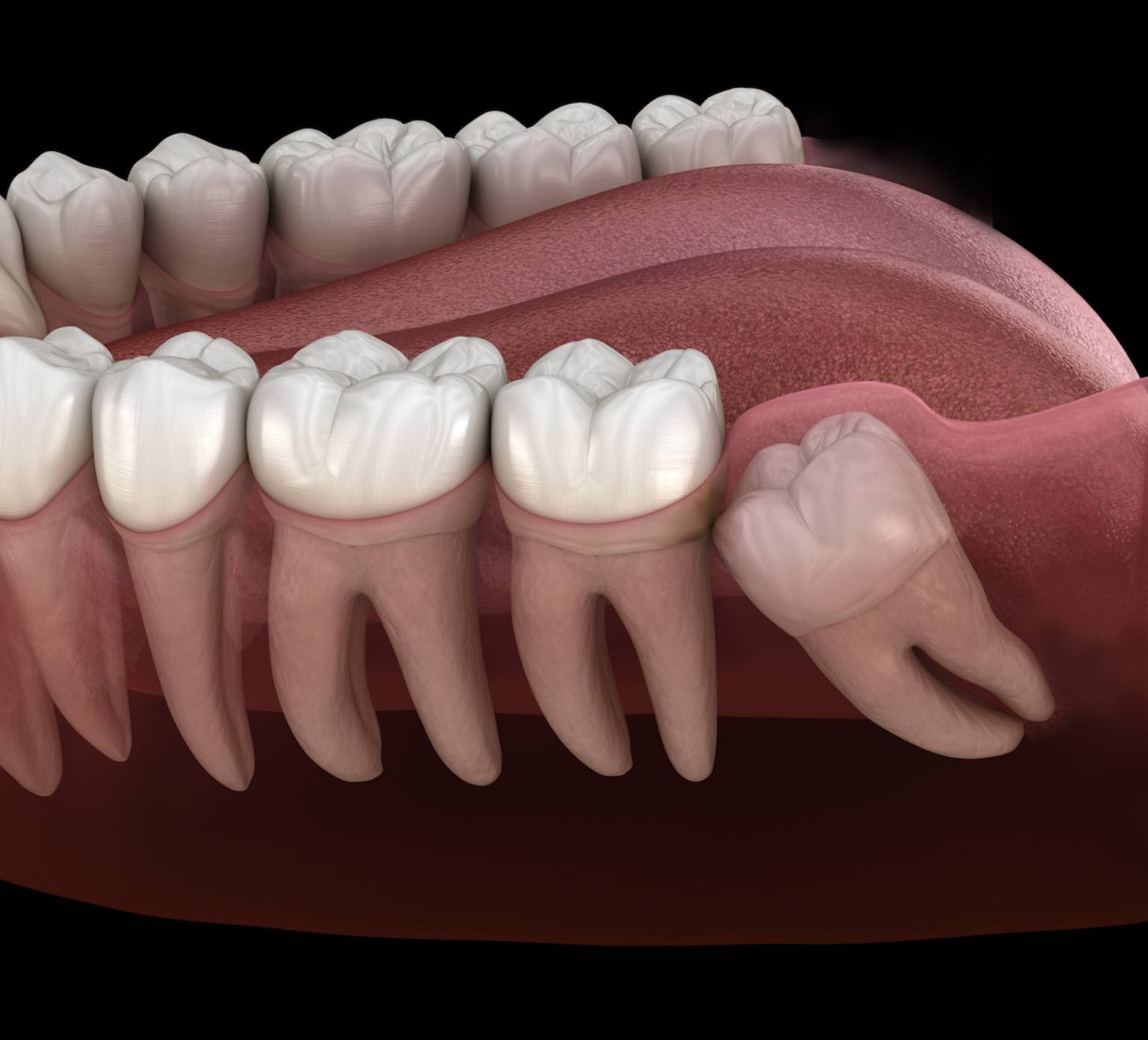

Safe Removal. Gentle Care. Long-Term Relief.
Wisdom teeth, also known as third molars, are the last teeth to erupt—usually between the ages of 17 and 25. While some wisdom teeth grow without causing problems, many do not have enough space to erupt properly. When this happens, they can lead to pain, infection, swelling, and damage to nearby teeth. At Dr. Shivani’s Dental & Aesthetic, we provide safe, precise, and comfortable wisdom teeth extraction to relieve pain and protect your oral health.
We understand that the idea of tooth extraction can feel intimidating. Our focus is on gentle techniques, proper pain control, and clear communication, ensuring a calm and positive experience for every patient.
When Do Wisdom Teeth Need to Be Removed?
Wisdom teeth may require extraction if they are:
- Impacted (stuck under the gums or bone)
- Partially erupted, allowing food and bacteria to get trapped
- Causing pain, swelling, or recurrent infections
- Leading to cavities in adjacent teeth
- Associated with cysts or gum disease
- Affecting bite alignment or jaw comfort
Early removal can prevent complications and often leads to faster healing.
Signs You May Need Wisdom Teeth Extraction
Common symptoms include:
- Pain or pressure at the back of the jaw
- Swollen or tender gums
- Difficulty opening the mouth
- Bad breath or unpleasant taste
- Recurrent gum infections around the wisdom tooth
- Headaches or jaw stiffness
In some cases, wisdom teeth cause no symptoms but are detected during routine dental X-rays. Preventive extraction may be advised to avoid future problems.
The Wisdom Teeth Extraction Process
At Dr. Shivani’s Dental & Aesthetic, wisdom teeth removal is carefully planned and performed with precision:
- Detailed Evaluation & X-Rays
We begin with a thorough clinical examination and digital X-rays to assess the position of the wisdom tooth, root anatomy, and proximity to nerves. - Treatment Planning
Based on the tooth’s position, we determine whether a simple extraction or surgical extraction is required. The procedure and recovery expectations are explained clearly beforehand. - Comfortable, Pain-Free Procedure
Local anesthesia is used to ensure the area is completely numb. Patients usually feel pressure but no pain during the extraction. - Careful Removal
The tooth is removed gently using appropriate surgical techniques, minimizing trauma to surrounding tissues. - Post-Extraction Care
Detailed aftercare instructions are provided to promote smooth healing and prevent complications.
Surgical Extraction & Disimpaction
Impacted wisdom teeth often require surgical extraction or disimpaction, where the tooth is removed through a small incision in the gum and, if needed, sectioned into smaller parts. Dr. Shivani has extensive experience in surgical extractions and disimpactions, ensuring safe and predictable outcomes even in complex cases.
Recovery & Healing
Most patients experience mild swelling and discomfort for a few days after extraction. This is a normal part of healing and is easily managed with prescribed medications and home care measures.
Key recovery tips include:
- Rest for the first 24 hours
- Apply ice packs to reduce swelling
- Eat soft foods and avoid hot or spicy items initially
- Maintain gentle oral hygiene
- Avoid smoking and using straws
Healing typically progresses well, with most patients resuming normal activities within a few days.
Is Wisdom Teeth Extraction Safe?
Yes. Wisdom teeth extraction is a common and safe procedure when performed by a trained dentist using proper diagnostic tools and sterilization protocols. At our clinic, we follow strict safety standards and use modern techniques to reduce discomfort and promote faster recovery.
Why Choose Dr. Shivani’s Dental & Aesthetic?
At Dr. Shivani’s Dental & Aesthetic, every extraction is approached with care, precision, and respect for patient comfort. Dr. Shivani’s experience in surgical dental procedures allows her to manage both routine and complex wisdom tooth cases confidently. We believe in honest advice—extracting wisdom teeth only when truly necessary.
Protect Your Oral Health
Ignoring problematic wisdom teeth can lead to recurring infections, damage to neighboring teeth, and long-term complications. Timely evaluation and treatment can prevent pain and protect your smile.
If you’re experiencing wisdom tooth pain or have been advised extraction, schedule a consultation at Dr. Shivani’s Dental & Aesthetic and receive safe, gentle, and expert care you can trust.
How We Make Your First Visit Hassle Free

- A review of previous dental history.
- Complete oral examination by a skilled dentist.
- Dental X-ray including panoramic X-rays to detect hidden cavities.
- Indentification of problem with the help of an intraoral camera.
- Discussion of treatment options and procedures.
- Finalization of optimal treatment plan best suited for your condition.
- Answering any doubts you have about your dental needs.
- Information about the billing procedure.
Hear from our satisfied patients.
Trustindex verifies that the original source of the review is Google. She is very calm, and explain everything in details, also very careful enough making sure I was comfortable without causing any pain.Posted onTrustindex verifies that the original source of the review is Google. Good counseling and treatmentPosted onTrustindex verifies that the original source of the review is Google. Exlent & perfect work dr. MamPosted onTrustindex verifies that the original source of the review is Google. Having good experience regarding the dental . Proper gudiness and suggestions givenPosted onTrustindex verifies that the original source of the review is Google. Posted onTrustindex verifies that the original source of the review is Google. Affordable best dentist in HinjewadiPosted onTrustindex verifies that the original source of the review is Google. Dr had correct diagnosis for my wisdom tooth. I was in pain from long time. Satisfied with the treatment best dentist in Hinjewadi.Posted onTrustindex verifies that the original source of the review is Google. Best treatment received for root canal at dr shivani dental and aesthetic in Hinjewadi.Posted onTrustindex verifies that the original source of the review is Google. नीट ट्रीटमेंट समजवून एकदम चांगल्या प्रकारे मॅडम ने ट्रिटमेंट केली धन्यवाद शिवानी मॅडमPosted onTrustindex verifies that the original source of the review is Google. “I recently underwent a root canal treatment here and I’m very satisfied. The dentist was professional, calm, and made me feel comfortable throughout the procedure. It was almost painless and hygienic. Excellent service!”
Book an Appointment With Your Doctor NOW!
We blend clinical excellence with aesthetic precision to help you achieve a healthy, confident, and natural-looking smile.

Our Services
About Dr. Deepak Mane
Dr. Deepak Mane is a Genito Urinary Medicine Physician and Urologist in Pimple Saudagar, Pune and has an experience of 21 years in these fields. Dr. Deepak Mane practices at Eras Bharati Hospital in Pimple Saudagar, Pune,7 Orange Hospitals in Pimpri-Chinchwad, Pune and Shree Multispeciality Hospital and ICU in Moshi, Pune.

Benign Prostatic Hyperplasia (BPH), commonly known as an enlarged prostate, is one of the most frequent urological conditions affecting men, especially above the age of 50. As the prostate gland grows in size, it can begin to squeeze or block the urethra, leading to urinary problems that can significantly affect daily life. While BPH is not cancer and does not increase the risk of prostate cancer, the symptoms can be troubling and often require medical attention.
What is BPH?
BPH is the non-cancerous enlargement of the prostate gland. Over time, as the gland grows, it compresses the urethra—the tube that carries urine out of the body—leading to obstruction of urine flow. The exact cause of this enlargement is not known, but hormonal changes with age are believed to play a major role.
Common Symptoms of BPH
Men with BPH may experience one or many of the following symptoms:
Difficulty starting urination
Weak or interrupted urine stream
Frequent urination, especially at night (nocturia)
Sudden, urgent need to urinate
Incomplete emptying of the bladder
Dribbling at the end of urination
Burning sensation (if infection develops)
These symptoms may worsen over time, making early evaluation important.
Complications if Untreated
While BPH itself is not dangerous, prolonged obstruction can lead to:
Urinary tract infections
Acute urinary retention
Bladder stones
Kidney damage due to back pressure
Frequent hospital visits due to urinary problems
Seeking timely treatment prevents long-term complications.
Diagnosis
A complete evaluation includes:
Physical examination
Digital rectal exam (DRE)
Urine test
Ultrasound of kidneys and bladder
PSA (Prostate-Specific Antigen) test
Uroflowmetry (measures urine flow)
These tests help determine the severity of enlargement and the right course of treatment.
Treatment Options for BPH
Treatment depends on the intensity of symptoms and overall health of the patient.
1. Lifestyle Modifications
Reducing caffeine and alcohol
Avoiding drinking water before bedtime
Regular exercise
Bladder training techniques
2. Medications
Alpha-blockers (relax prostate muscles for easier urine flow)
5-alpha-reductase inhibitors (shrink the prostate over time)
Combination therapy for better results
3. Minimally Invasive Procedures
These are preferred because of quick recovery and less pain:
TURP (Transurethral Resection of Prostate) – Gold standard treatment
Laser Prostate Surgery – Holmium/Thulium laser for bloodless removal
UroLift System – Lifts prostate tissue to open the urinary channel
Prostatic artery embolization
4. Surgical Options
For very large prostates or severe symptoms, open or robotic prostatectomy may be recommended.
Recovery and Prognosis
Most patients experience quick relief of symptoms after treatment. Minimally invasive procedures allow faster recovery, less bleeding, and reduced hospital stay.
Why Choose Us for BPH Treatment?
Experienced urologist with expertise in laser and minimally invasive surgery
Advanced diagnostic facilities
Personalized treatment according to age, symptoms, and health
High patient success rate
Comprehensive follow-up care
Early treatment ensures better outcomes and prevents complications. If you experience urinary difficulties, timely evaluation is essential.