Temporomandibular Joint
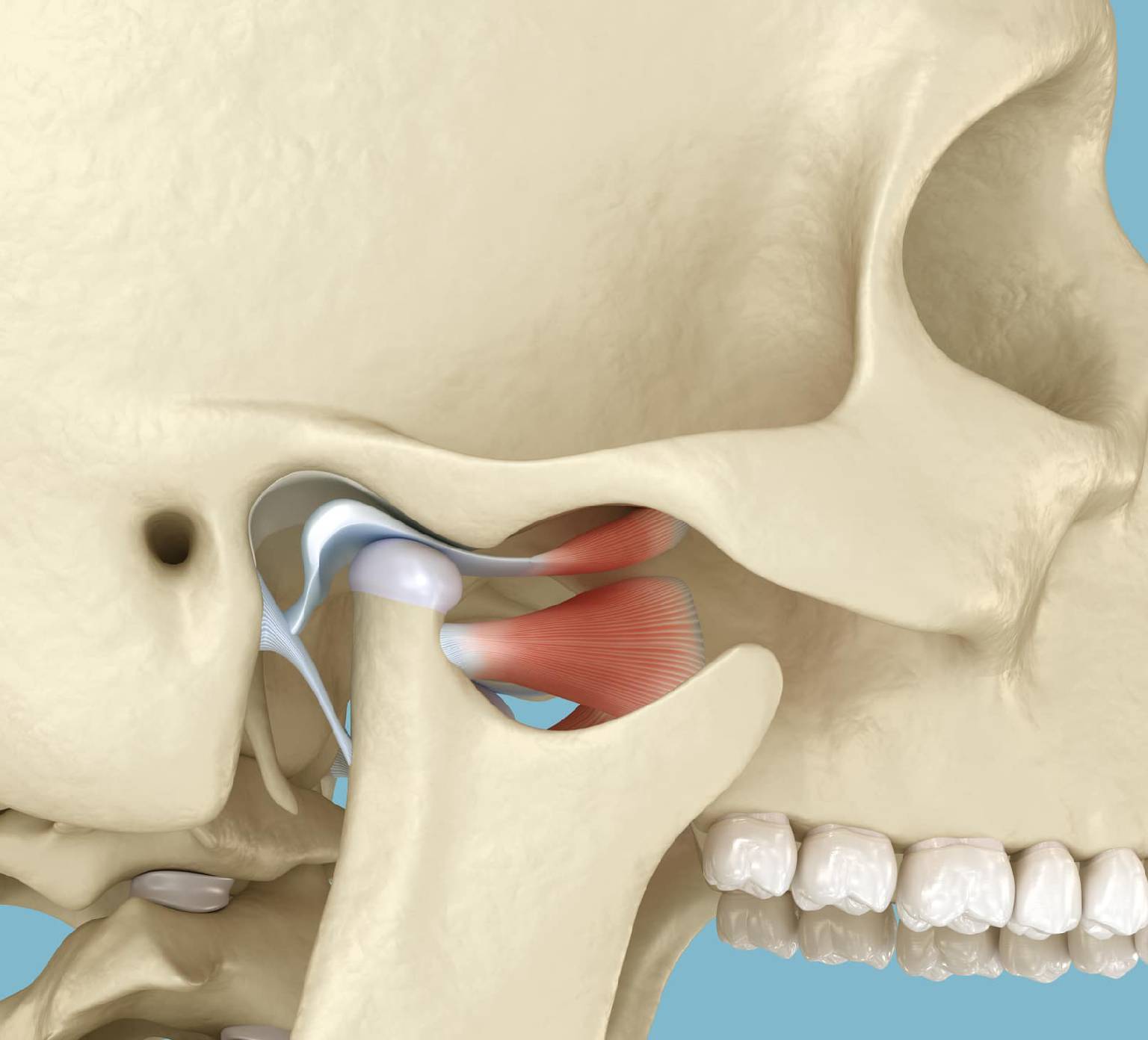
The Temporomandibular Joint (TMJ) connects the lower jaw (mandible) to the skull and allows movements required for speaking, chewing, and yawning. TMJ disorders refer to a group of conditions affecting the jaw joint, surrounding muscles, and ligaments, leading to pain, restricted movement, and functional problems. These disorders may be temporary or chronic and can significantly affect daily activities and quality of life.

Temporomandibular Joint (TMJ) Disorders
Causes:
TMJ disorders can occur due to several factors, including:
- Jaw injury or trauma
- Teeth grinding or clenching (bruxism)
- Arthritis affecting the jaw joint
- Misalignment of teeth or jaw structure
- Stress causing muscle tension
- Poor posture affecting neck and jaw muscles
- Disc displacement within the joint
- Habitual chewing of gum or hard foods
Symptoms:
Common signs and symptoms of TMJ disorders include:
- Jaw pain or tenderness
- Clicking, popping, or grinding sounds while opening the mouth
- Difficulty chewing or discomfort during eating
- Limited jaw movement or jaw locking
- Headaches or ear pain
- Facial pain or swelling
- Neck and shoulder discomfort
Treatment:
Treatment depends on the severity and cause of the condition and may include:
- Pain relief medications and anti-inflammatory drugs
- Jaw exercises and physiotherapy
- Use of dental splints or mouth guards
- Stress management and relaxation techniques
- Lifestyle changes such as avoiding hard foods
- Hot or cold compress therapy
- Dental correction or orthodontic treatment
- In severe cases, minimally invasive procedures or surgery
Conclusion:
TMJ disorders are manageable with early diagnosis and proper treatment. Conservative therapies are effective for most patients and help reduce pain, improve jaw function, and restore normal daily activities. Regular dental and medical evaluation ensures long-term joint health and prevents complications.